

Project
Background
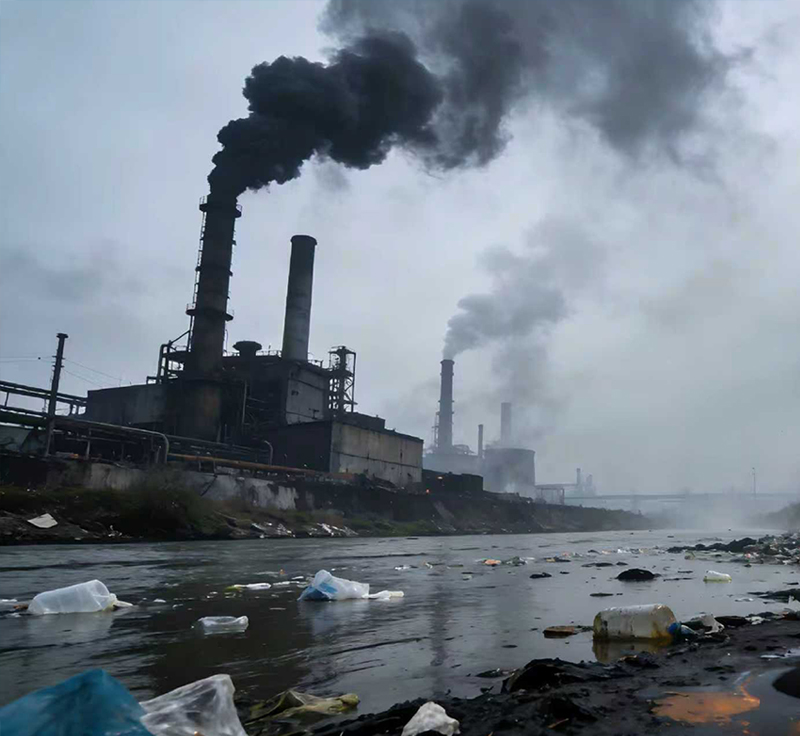
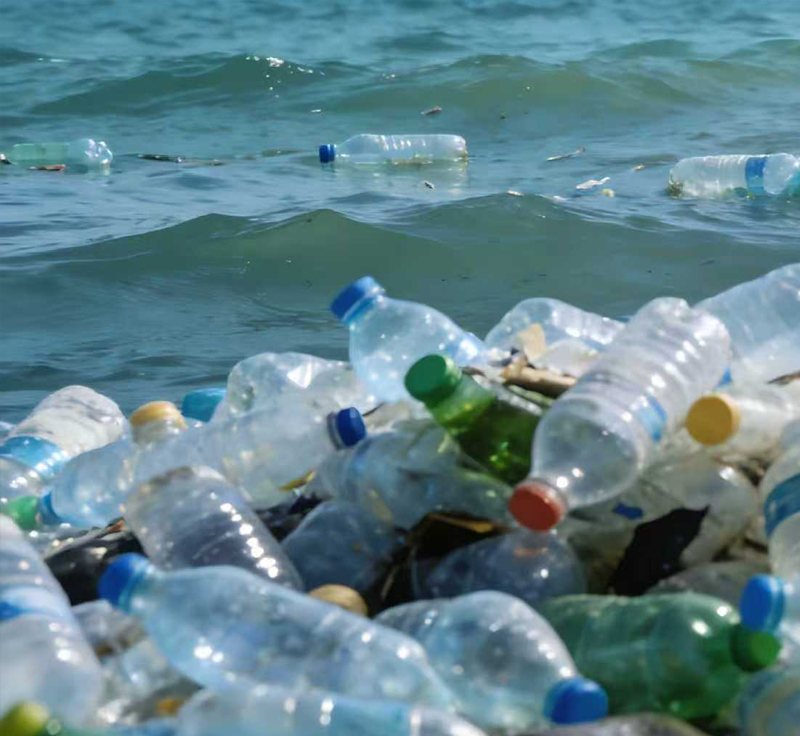
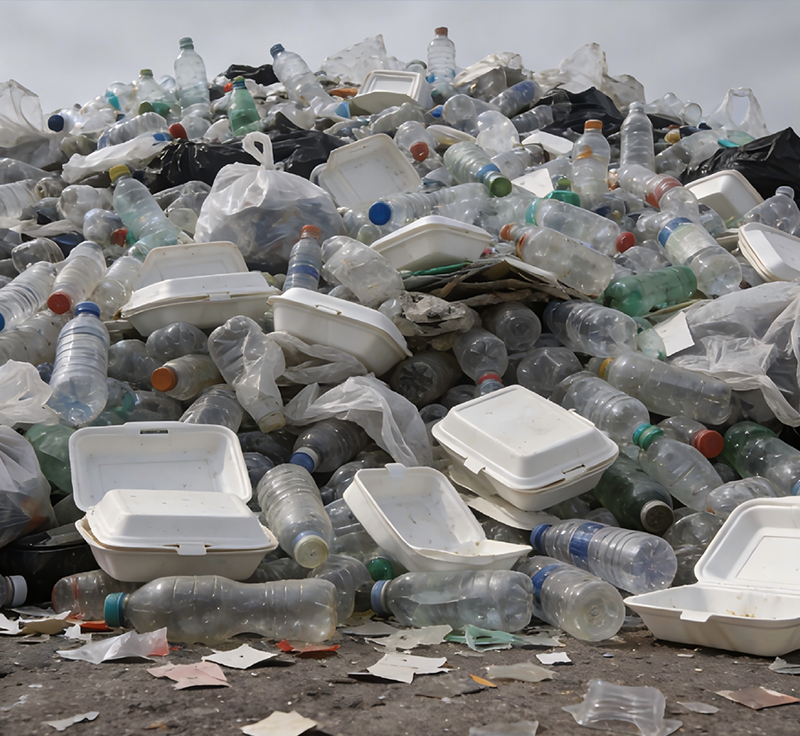

Plastic pollution is threatening this beautiful world, causing immense damage to the natural environment and our lives. This problem cannot be ignored—we must act now. Plastic recycling not only reduces new plastic production and carbon emissions but also protects the natural environment. For the sake of our planet and future generations, let us take concrete action today to protect our precious home.
More than 75% of the value of recyclable plastic materials is lost each year. This equates to $6 billion worth of single-use plastic that is not recycled or reused annually.
World Bank: Southeast Asia has become a hotspot for plastic pollution and must transition to a circular economy model. A series of World Bank studies highlight the situation in Thailand, the Philippines, and Malaysia.
Market Size
Businesses have strong demand for recycled materials, with significant potential for output growth.
Companies are gradually reaching a consensus to promote carbon reduction and zero waste, and many well-known companies are increasingly incorporating recycled materials into their products.
Major global brands have set goals for using environmentally friendly and recycled materials, and other well-known companies such as Nike, Adidas, Puma, Danone, L'Oréal, Far Eastern New Century (Taiwan), H&M, IKEA, and ZARA have also joined the ranks.
Demand for RPET is projected to reach $10.77 billion in 2024, with a production volume of 7.5 million tons. It is expected to grow at an annual rate of 9.9% over the next decade, reaching 34 million tons by 2040.
Leading global companies focusing
on recycled resources


















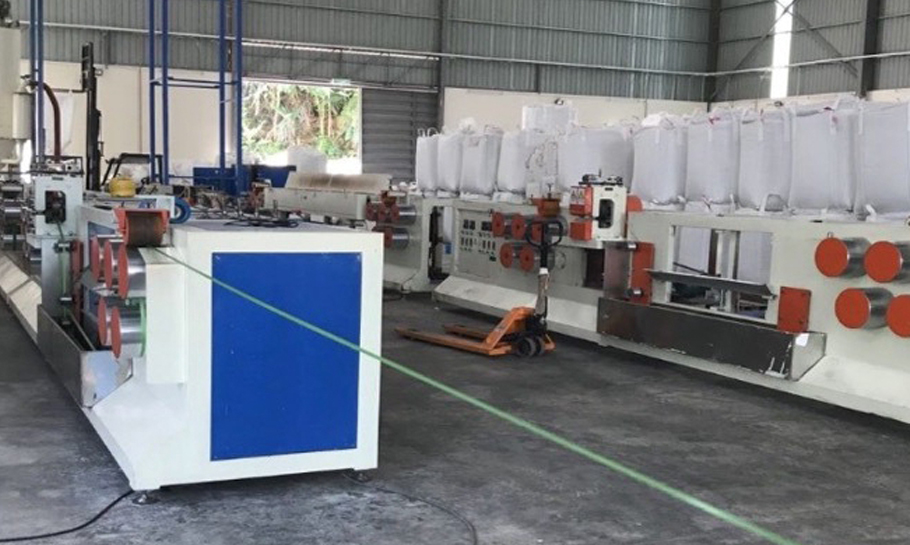
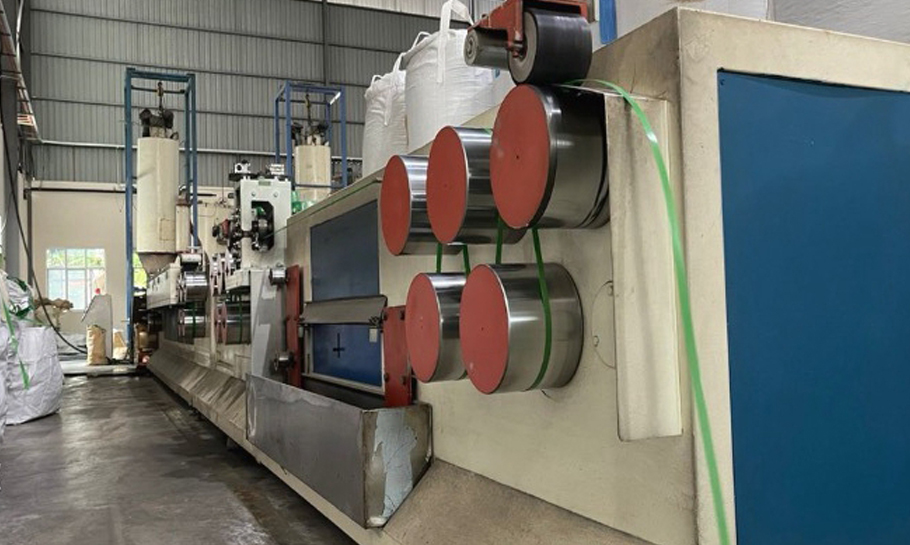
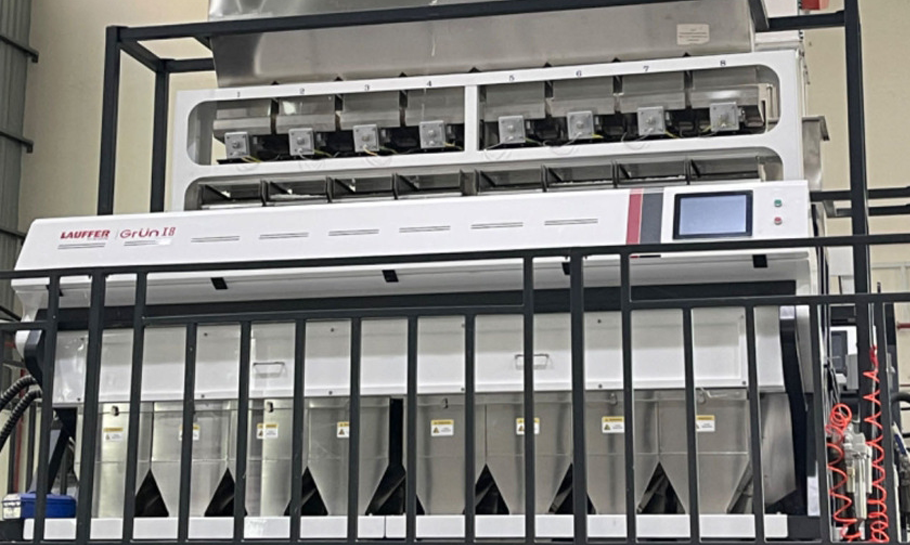
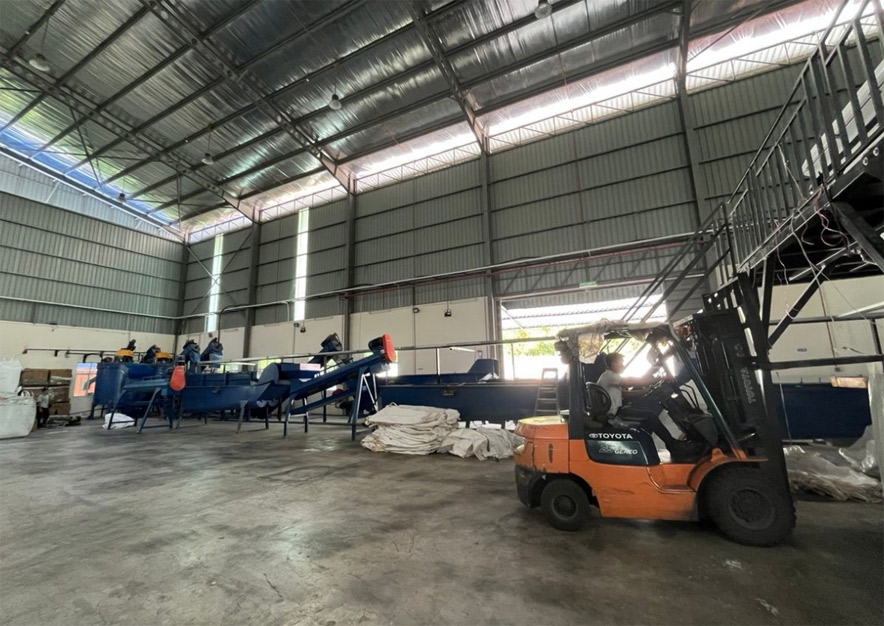
Production
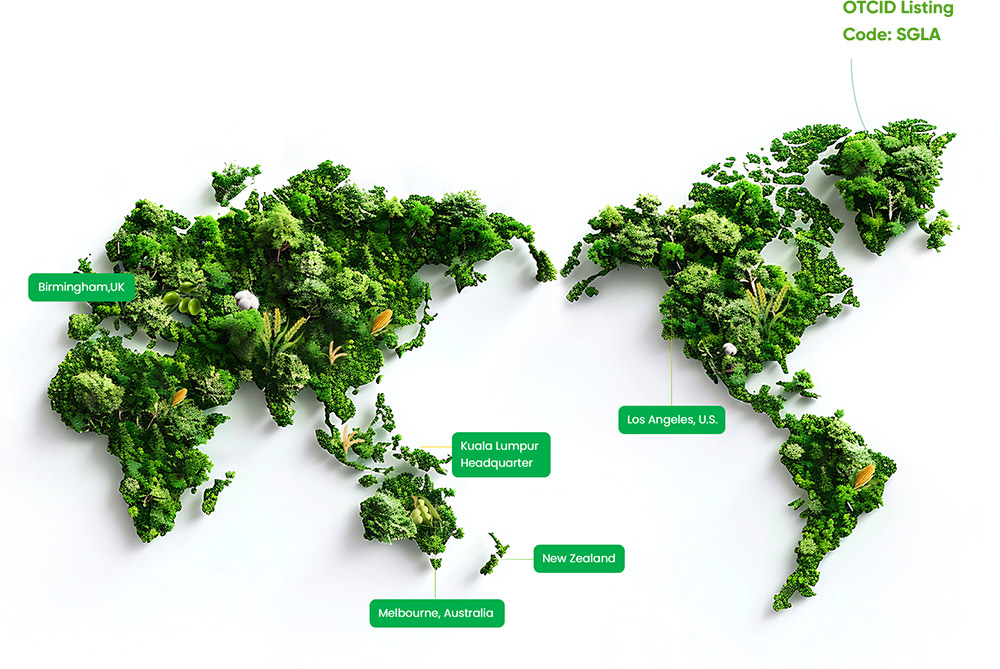
Base